
Transportation
Road transportation for industrial and commercial customers, coordinated end to end — from the loading point through transit to delivery, with USS handling the coordination and resolving issues along the way.
Services
From placing a vehicle at a plant gate to holding stock close to the market it serves.
Flagship capability
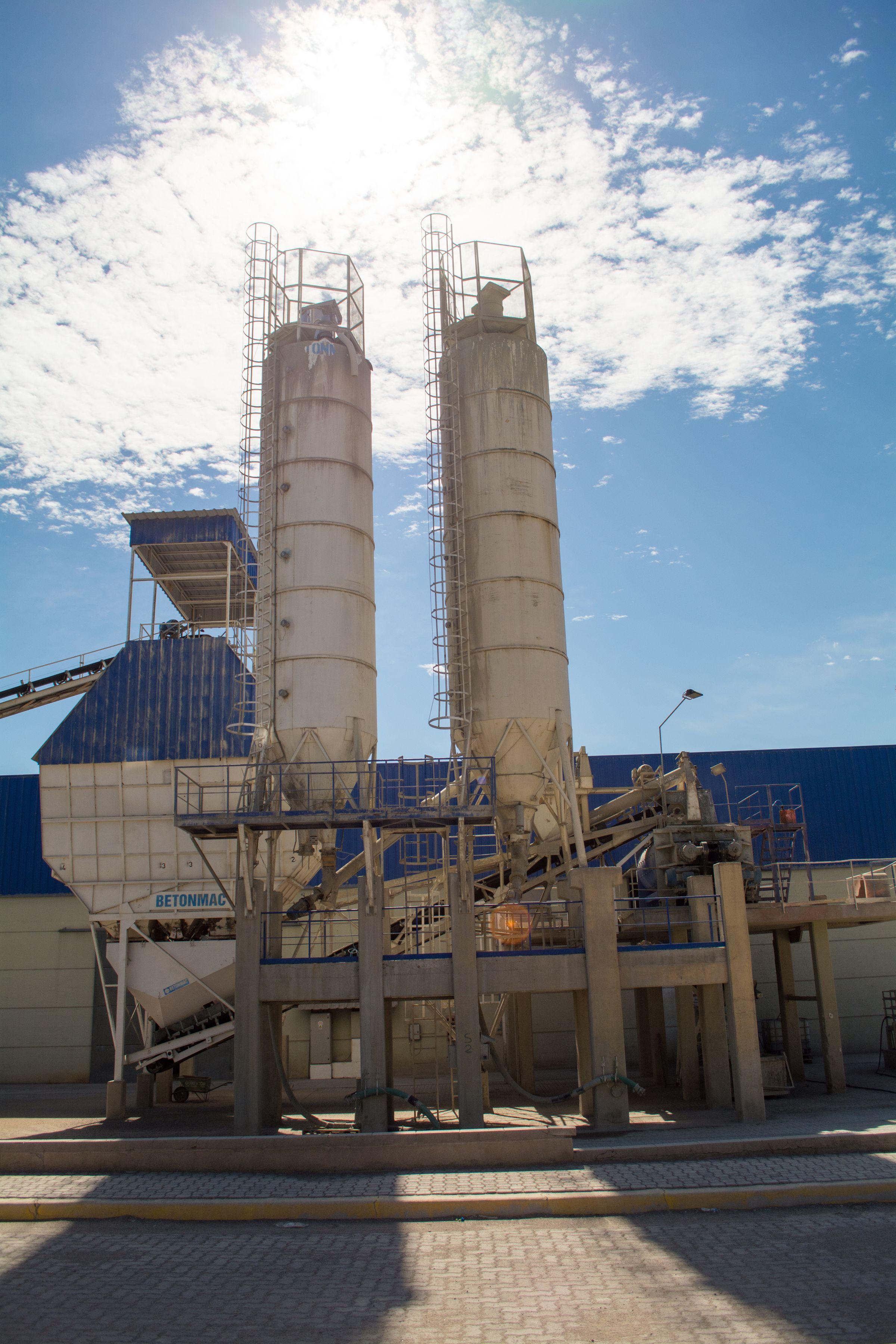
USS works directly with cement manufacturing plants, placing vehicles at the factory and moving cement onward to dealers, depots and transit points. It is the company's most established line of work and the reason for most of its operational locations across Bihar, West Bengal, Uttar Pradesh and Jharkhand.
Moving industrial and commercial consignments, and getting the right vehicle to the loading point.
Road transportation for industrial and commercial customers, coordinated end to end — from the loading point through transit to delivery, with USS handling the coordination and resolving issues along the way.
When a requirement comes in, USS first checks its own and nearby available vehicles. Where the required vehicle is not available, it draws on long-standing relationships with trusted market vehicle providers, brokers and fleet owners. The result is placement capacity that is not limited by what USS happens to own on the day.
Short-haul movement around plants, godowns, warehouses and local markets — the shorter legs that keep a distribution operation running between the long-haul trips.
Holding, handling and dispatching stock between the plant and the market.
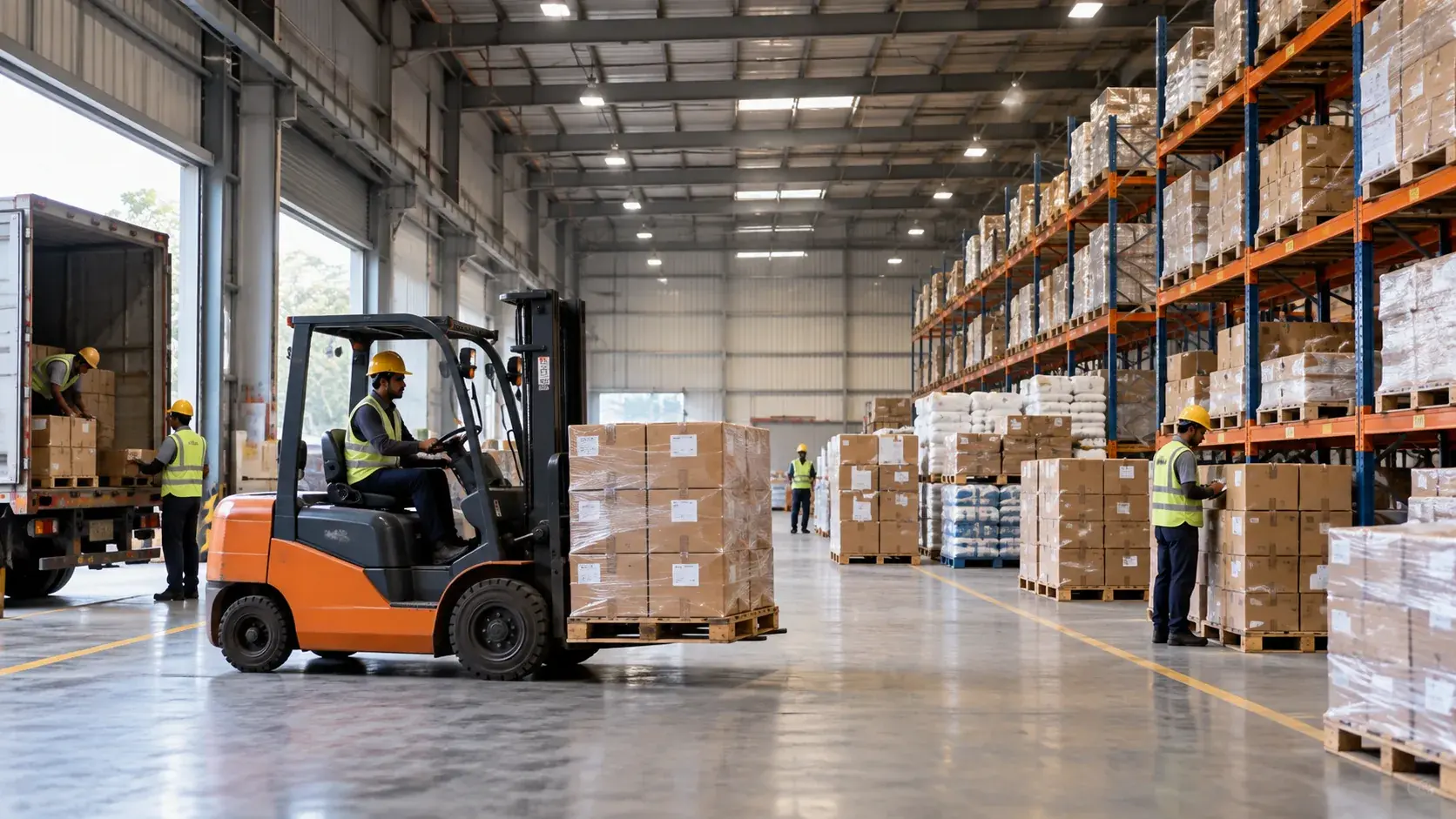
Warehousing support for customers who need stock held closer to their market than the plant allows, with handling and onward dispatch coordinated alongside transportation.
Running the day-to-day godown: receiving stock, handling it, and coordinating dispatch against requirements as they come in.
Clearing and forwarding support, sitting between the manufacturer and the distribution network to keep stock moving with the documentation and coordination that entails.
Work that needs particular handling, particular paperwork, or a particular network.
USS operates at Raxaul on the India–Nepal border, handling cross-border movement and the customs coordination that goes with it — a capability that takes years of local working relationships to build.
Transportation for the battery and energy sector, including operations at Ranchi. Battery consignments carry handling and documentation requirements that general freight does not.
Moving stock out from plants and depots into dealer and distributor networks — the last industrial leg before a product reaches the market.
Logistics for manufacturing and industrial customers, coordinated around plant schedules and dispatch requirements rather than a fixed timetable.
For customers with continuing requirements, USS coordinates across the whole chain — placement, movement, storage and delivery — as a single ongoing relationship rather than a series of individual trips.
Fleet & capability
The vehicle types and tonnage ranges USS operates and places for its customers.
How USS works
The same sequence on every movement, whether it is a single vehicle or a standing monthly requirement.
The customer's requirement is received and understood — route, material, vehicle and timing.
Own and nearby available vehicles are checked first, then trusted market providers where the required vehicle is not otherwise available.
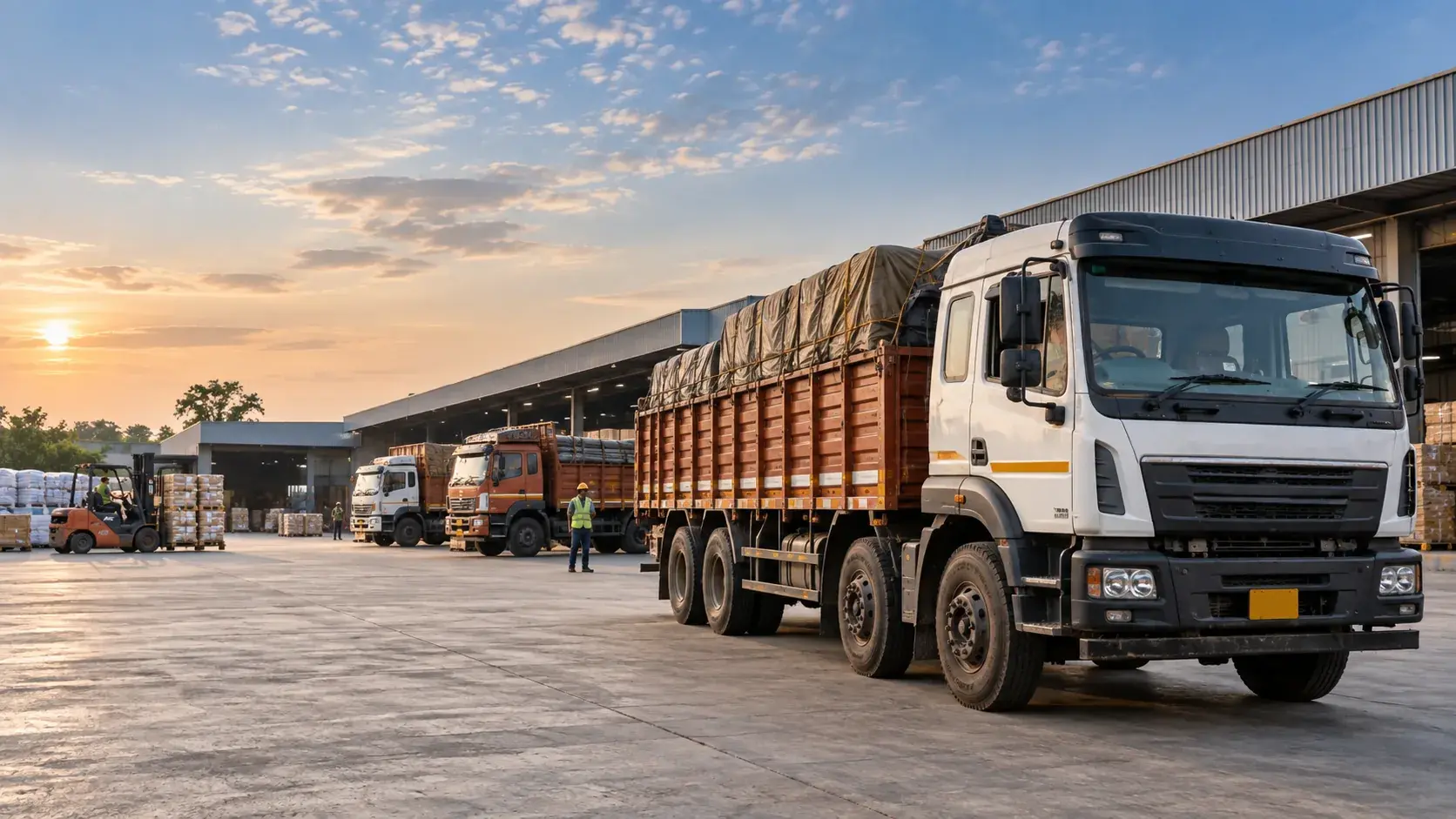
A suitable vehicle is placed at the loading point.
The consignment is loaded and moves toward its destination.
USS stays with the operation through transit, coordinating between the plant, the driver and the receiving point.
The consignment is delivered to the dealer, depot or transit point.
Problems that arise during the operation are USS's to solve — not passed back to the customer.
Paperwork is where transport relationships usually fail — missing proof of delivery stalls payment, and weak documentation makes a damage claim unwinnable. USS works to the same three documents on every movement.
Send the route, the material and the vehicle you need. USS will come back with a rate rather than a follow-up question.